
OUR METHOD
Watch. Learn. Practice. Repeat.
Simple steps toward a better understanding of each swing.
WHAT THE RECORDS SHOW
Observations with a source.
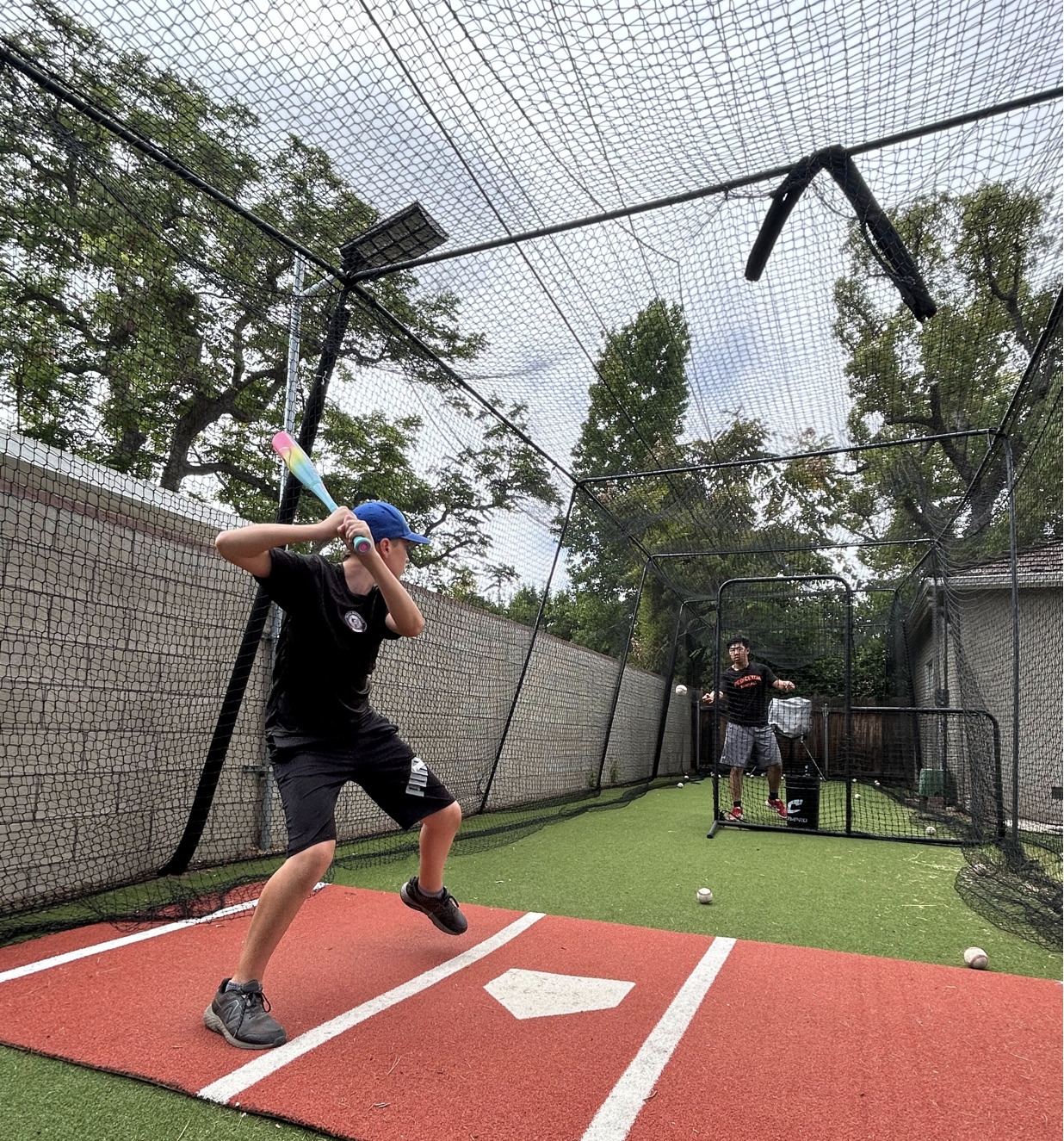
The published baseline reports for Austin, Justin, and Leo each record ten toss swings on August 12, 2026. These are video-based coaching observations, not sensor measurements. The table summarizes those reports; it does not show a before-and-after improvement.
| Player / source | Good | Medium | Poor | Points | CQS /100 |
|---|---|---|---|---|---|
| Austin ↗ | 4 | 4 | 2 | 22/30 | 73.3 |
| Justin ↗ | 4 | 5 | 1 | 23/30 | 76.7 |
| Leo ↗ | 5 | 4 | 1 | 24/30 | 80.0 |
Scoring: Good = 3 points; Medium = 2; Poor = 1. CQS = total points ÷ 30 × 100. These subjective contact categories are separate from mechanical issue frequencies and from the app’s six-category swing rubric.
The wider project includes 12 youth players and seven documented baseline-to-retest reviews. The retest reports use a six-category mechanical rubric: each category is scored out of 10, for a total of 60. Earlier baseline findings for six players were retrospectively mapped to that rubric. These mechanical scores must not be compared directly with the CQS contact-quality scores above. Explore the seven comparisons ↗
EXPERIMENTAL SOFTWARE
Explore the development project.
The software is being tested alongside the coaching workflow. AI-assisted observations need to be checked against the original video.